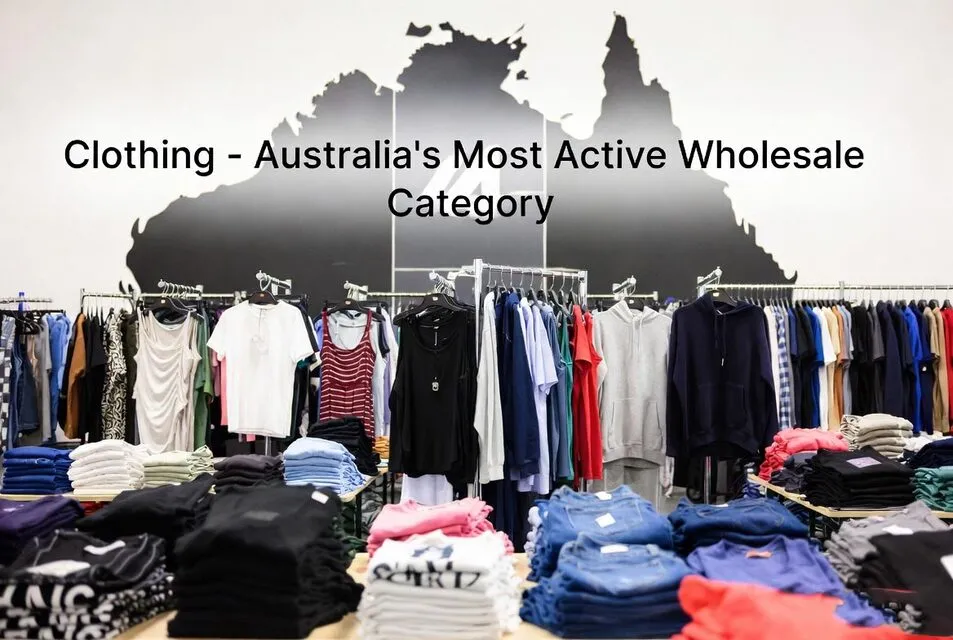
Clothing is the most active wholesale category in Australia — and one of the most competitive. Whether you're stocking a boutique, supplying market stalls, running an online store, or printing custom apparel, finding the right wholesale clothing suppliers can make or break your margins.
This guide covers everything Australian retailers need to know about sourcing wholesale clothing in 2026: how the supply chain works, what to look for in a supplier, the different types of clothing wholesalers, and where to find verified suppliers you can actually trust.
As the team behind Wholesale Directory Australia — Australia's largest wholesale supplier directory, operating since 2001 — we've compiled this guide based on years of connecting retailers with verified suppliers across every product category and state.
📌 Quick link: Already know what you're looking for? Browse all wholesale clothing & apparel suppliers on the directory, or narrow it down by subcategory — women's clothing, men's clothing, plus size, or fashion accessories.
How Wholesale Clothing Works in Australia
At its core, wholesale clothing is simple: suppliers sell garments in bulk at below-retail prices, and retailers sell them individually at a markup. The margin between your buy price and sell price — minus your operating costs — is your profit.
But the Australian wholesale clothing market has some characteristics that set it apart from other countries. The market is relatively small compared to the US or UK, which means fewer mega-distributors and more specialist suppliers. Many Australian wholesalers focus on specific niches — workwear, merino wool, resort wear, streetwear, or blank apparel for custom printing — rather than trying to stock everything.
This is actually an advantage for retailers. It means you can build direct relationships with suppliers who genuinely understand their product category, rather than dealing with faceless warehouses shipping generic fast fashion.
Types of Wholesale Clothing Suppliers
Not all clothing wholesalers operate the same way. Understanding the different types helps you find the right fit for your business model.
| Supplier Type | Best For | Typical MOQ | Margins |
|---|---|---|---|
| Manufacturers | Custom/private label, large volume | 100–500+ units | Highest |
| Distributors | Established retailers, branded goods | 50–200 units | Good |
| Wholesalers | Small–medium retailers, mixed stock | 10–100 units | Moderate |
| Blank apparel suppliers | Custom printing, embroidery, uniforms | 12–50 units | Varies |
| Clearance/excess stock | Bargain hunters, market sellers, resellers | Bulk lots | Highest (if you pick well) |
💡 Pro tip: If you're just starting out, wholesalers with lower MOQs (10–50 units) let you test product lines without overcommitting. Once you know what sells, you can move up to distributors or manufacturers for better per-unit pricing.
What to Look for in a Clothing Supplier
The cheapest supplier isn't always the best supplier. Here's what experienced retailers prioritise when evaluating wholesale clothing vendors:
Consistent quality. Request samples before placing a bulk order. Check stitching, fabric weight, colour fastness, and sizing accuracy. A supplier whose medium fits like a large one season and a small the next will cost you returns and reputation.
Reliable fulfilment. Ask about lead times, shipping methods, and what happens when something goes wrong. A supplier who ships on time, every time, is worth more than one who's five percent cheaper but unpredictable.
Clear pricing structure. Good wholesalers are upfront about their pricing tiers, MOQs, and any additional charges (freight, packaging, returns policy). If you can't get a straight answer on pricing, move on.
Responsive communication. This matters more than most new retailers realise. When you need to restock fast or resolve a quality issue, a supplier who takes three days to reply to an email can cost you sales.
Australian-based or local warehouse. Importing directly from overseas can offer lower per-unit costs, but it comes with longer lead times, customs delays, and quality control challenges. Many Australian retailers prefer suppliers who hold stock locally — even if they source from overseas manufacturers — so they can restock quickly and inspect goods before committing.
Popular Wholesale Clothing Categories
The Australian wholesale clothing market covers a wide range of niches. Here are the categories with the strongest retail demand right now:
Women's Fashion
By far the largest segment. Covers everything from casual everyday wear to occasion dresses, activewear, and resort collections. Australian retailers tend to favour suppliers who offer seasonal ranges that suit the local climate — think lightweight fabrics, relaxed fits, and sun-smart designs. Browse women's clothing suppliers on the directory.
Men's Clothing
Workwear, casual wear, and streetwear drive the men's wholesale segment in Australia. There's also strong demand for basics — plain tees, polos, and business shirts — from retailers who add their own branding or sell through online stores. See men's clothing suppliers.
Blank Apparel and Custom Printing
This is a growing niche. Blank tees, hoodies, and caps are bought in bulk by businesses that add custom prints, embroidery, or branding. It's popular with merch companies, sports clubs, corporate uniforms, and print-on-demand retailers. Suppliers like Blank Clothing Australia and T-Shirt Magic specialise in this space.
Workwear and Uniforms
Australia's mining, construction, hospitality, and healthcare industries create consistent demand for workwear. Wholesale suppliers in this segment often provide embroidery and branding services alongside their clothing ranges. Bizwear and Noone Imagewear are well-established names in the category.
Plus Size Clothing
An underserved but growing segment. Retailers who stock inclusive sizing often find loyal customer bases with less competition. Browse plus size wholesale suppliers.
Kids' Clothing
Children's clothing has specific compliance requirements in Australia (safety standards for drawstrings, buttons, and fabric flammability), so sourcing from suppliers who understand local regulations is important. Check the baby care and children's category.
Specialty and Niche
Merino wool, resort wear, ethnic fashion, maternity wear, and sustainable clothing all have dedicated wholesale suppliers in Australia. Niche categories often deliver better margins because there's less price competition. See ethnic fashion and maternity clothing suppliers.
Where to Find Wholesale Clothing Suppliers in Australia
There are several ways to source clothing suppliers, each with its own strengths.
Wholesale Directories
The most efficient way to find and compare multiple suppliers in one place. Wholesale Directory Australia lists verified clothing and apparel suppliers across every state, with profiles that include product ranges, contact details, and buyer reviews. You can filter by location, category, and subcategory to find exactly what you need.
Unlike marketplace platforms, directories connect you directly with suppliers — no middleman fees, no commissions on your orders. For a deeper walkthrough, see our complete guide to finding wholesale suppliers.
Trade Shows
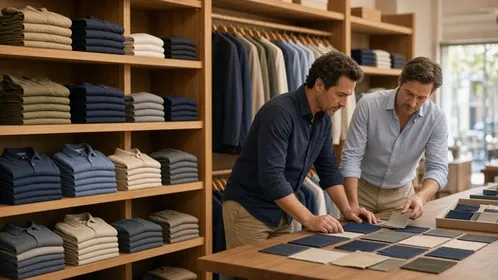
Events like the Melbourne Fashion Festival trade days and Reed Gift Fairs let you meet suppliers face-to-face, handle products, and negotiate terms on the spot. Trade shows are especially valuable for clothing because you can assess fabric quality and fit in person — something that's difficult from a product photo alone.
Wholesale Precincts
Cities like Melbourne (particularly Flinders Street, Collingwood, and Dandenong) and Sydney (Surry Hills, Alexandria, and Marrickville) have established wholesale clothing precincts where you can visit showrooms directly. Melbourne is widely considered Australia's wholesale fashion capital. Browse Melbourne wholesale suppliers or Sydney wholesale suppliers on the directory.
Direct from Manufacturers
If you're ordering larger volumes, going direct to local manufacturers can yield the best pricing. This is especially common for workwear, uniforms, and blank apparel. The trade-off is higher MOQs and longer lead times.
Wholesale Clothing Pricing: What to Expect
Pricing varies significantly depending on the garment type, quality, supplier, and order volume. Here's a rough guide to what Australian retailers typically pay at wholesale:
| Garment Type | Wholesale Price Range | Typical Retail Markup |
|---|---|---|
| Basic tees / blank apparel | $3–$12 | 2.5–4x |
| Women's fashion dresses | $15–$45 | 2–3x |
| Workwear / uniforms | $12–$35 | 2–2.5x |
| Activewear / athleisure | $10–$30 | 2.5–3.5x |
| Premium / designer wholesale | $40–$120+ | 2–2.5x |
⚠️ Watch out: If a supplier's prices seem too good to be true, they usually are. Extremely low wholesale prices often indicate poor fabric quality, inconsistent sizing, or long overseas shipping times with no local returns process. Always order samples first.
Wholesale vs Dropshipping for Clothing
If you're just starting out in clothing retail, you might be weighing up wholesale against dropshipping. Here's the honest comparison:
Wholesale gives you better margins, full control over quality (you inspect every item before it ships), faster delivery to your customers, and the ability to offer exchanges easily. The downside is upfront investment in stock and the risk of unsold inventory.
Dropshipping requires no upfront stock investment, but margins are thinner, you have no quality control, and shipping times are often longer — especially for clothing sourced from overseas. Returns and sizing issues are also harder to manage when you never touch the product.
For clothing specifically, wholesale tends to win. Clothing has a high return rate due to sizing and fit issues, and handling those returns is far easier when you hold the stock yourself. Most successful clothing retailers in Australia use wholesale as their primary sourcing method, with dropshipping reserved for testing new product lines before committing to bulk orders.
For a deeper dive, see our guides to dropshipping in specific categories like beauty products, shoes and footwear, and giftware and homewares.
Tips for First-Time Wholesale Clothing Buyers
Start with one or two categories. Don't try to stock women's fashion, men's workwear, and kids' clothing all at once. Master one niche, build relationships with a few good suppliers, then expand from there.
Always order samples. Every reputable wholesaler expects sample requests. If a supplier refuses or can't provide samples, that's a red flag. Check sizing, fabric, stitching, and wash performance before placing a bulk order.
Understand your target customer. Are you selling to trend-conscious young women? Tradies who need durable workwear? Mums looking for affordable kids' clothing? Your customer profile determines which suppliers and price points make sense.
Calculate your true margins. Wholesale price isn't your only cost. Factor in freight, packaging, platform fees (if selling on eBay or Amazon), returns, and storage. A garment that looks profitable at 2.5x markup might not be after you account for a 15% return rate.
Build relationships, not just transactions. The best wholesale pricing, priority access to new ranges, and flexible terms come from long-term supplier relationships. Treat your suppliers as business partners rather than just vendors.
💡 Pro tip: If you're new to wholesale buying, our guide to starting a reselling business in Australia covers the full setup process from ABN registration to choosing your first sales channel.
Complementary Categories to Consider
Retailers who stock clothing often find strong cross-sell opportunities in related categories. Consider adding these to your range:
Shoes and footwear — a natural complement to any fashion range. Fashion accessories like bags, scarves, and jewellery add margin-boosting impulse buys. Beauty products work well alongside women's fashion, particularly for online stores and market stall operators.
Browse the full category list to see what other product lines might complement your clothing range.
Frequently Asked Questions
Do I need an ABN to buy wholesale clothing in Australia?
Most wholesale suppliers require an ABN (Australian Business Number) before they'll sell to you at wholesale prices. This confirms you're a legitimate business buyer, not a consumer looking for a discount. Registering an ABN is free through the Australian Business Register.
What's the minimum order quantity for wholesale clothing?
It varies widely. Some suppliers sell individual items at wholesale prices (common with workwear and basics), while fashion wholesalers typically require packs of 6–12 units per style/colour. Manufacturers usually have higher MOQs of 50–500 units, especially for custom orders. Always check the supplier's MOQ before placing your first order.
Can I buy wholesale clothing without a physical store?
Absolutely. Many Australian wholesale clothing buyers sell exclusively online through platforms like eBay, Amazon, Shopify, and Etsy, or at weekend markets and pop-up events. Suppliers don't typically require you to have a bricks-and-mortar shop — just a valid ABN and a genuine intention to resell.
How do I check if a wholesale clothing supplier is legitimate?
Look for verified listings on established directories like Wholesale Directory Australia. Check their ABN on the Australian Business Register, look for reviews from other retailers, and always order samples before committing to a bulk purchase. Be wary of suppliers who demand full payment upfront with no samples available. See our guide to finding wholesale suppliers for a detailed verification checklist.
Is it better to buy from Australian or overseas clothing suppliers?
Both have their place. Australian-based suppliers (or those with local warehouses) offer faster shipping, easier returns, and Australian consumer protection. Overseas suppliers — particularly from China, Bangladesh, and India — can offer lower per-unit pricing but come with longer lead times, customs duties, and quality control challenges. Many experienced retailers use a mix of both: local suppliers for core stock and fast reorders, and overseas suppliers for high-volume basics where margin is the priority.
What are the best-selling clothing categories at wholesale in Australia?
Women's fashion is the largest segment by volume. Workwear and uniforms deliver the most consistent year-round demand. Blank apparel for custom printing is one of the fastest-growing segments. Activewear and athleisure continue to perform well, and plus size clothing is an increasingly popular niche with less competition. The best category for your business depends on your target market and sales channels.
Where can I find a list of wholesale clothing suppliers in Australia?
Wholesale Directory Australia maintains the largest verified list of wholesale clothing suppliers in the country, searchable by state, city, and subcategory. You can also see our curated list of premium wholesale suppliers across all categories.
Last updated: March 2026
📌 Related reading: Growth Opportunities For Australian Clothing Wholesalers · Importing Goods into Australia in 2026: Duty, GST and Landed Costs Explained · Product Safety Laws in Australia 2026: A Compliance Guide for Wholesalers, Importers and Retailers · Black Friday and Cyber Monday 2026: A Peak Season Guide for Australian Wholesalers and Retailers.Continue exploring: How to Find Wholesale Suppliers in Australia: The Complete Guide for 2026 · How to Negotiate with a Wholesaler Effectively.