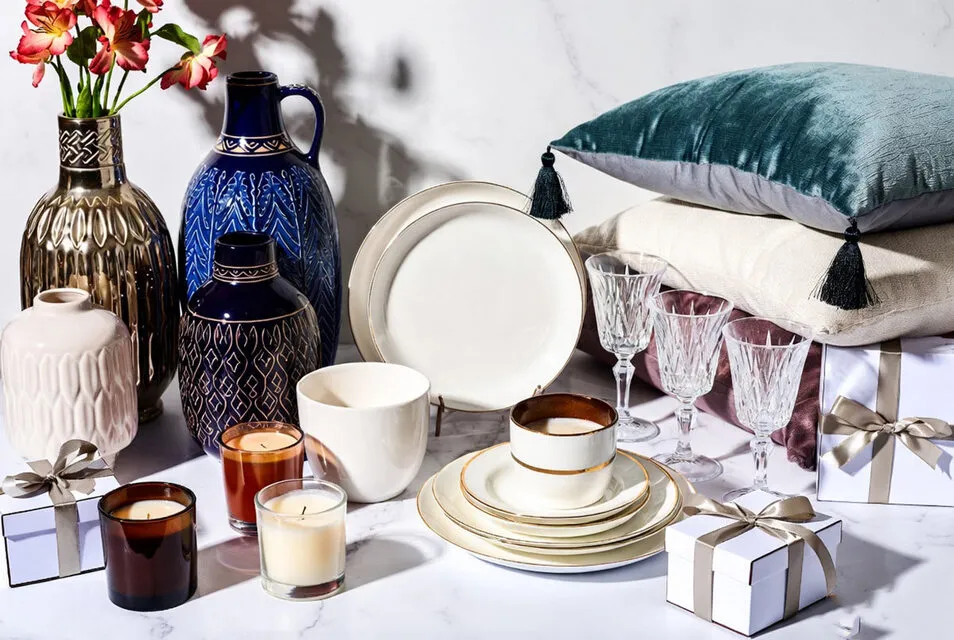
Homewares and giftware is one of Australia's most versatile wholesale categories. It covers everything from kitchenware and home decor to candles, tableware, garden accessories and seasonal gift lines. What makes it particularly attractive for retailers is the overlap between everyday home purchasing and gift-buying intent. A customer who walks in for a vase leaves with a candle set for a friend's birthday. An online shopper searching for a serving board ends up adding a matching cheese knife gift pack to their cart. That crossover between functional home products and impulse gift purchases is what drives strong margins and year-round demand.
This guide covers everything Australian retailers need to know about sourcing wholesale homewares and giftware in 2026: the different supplier types, the most popular subcategories, how to evaluate quality and margins, where to find verified wholesalers in every state, and how to build a product range that sells through every season.
As the team behind Australian Wholesalers Directory, Australia's largest wholesale supplier directory operating since 2001, we have compiled this guide from years of experience connecting retailers with verified suppliers across every product category and state.
Quick link: Already know what you need? Browse wholesale homewares suppliers or wholesale giftware suppliers on the directory. You can also browse subcategories including kitchenware, glassware, furniture and general homewares.
Why Wholesale Homewares and Giftware Is a Strong Retail Category
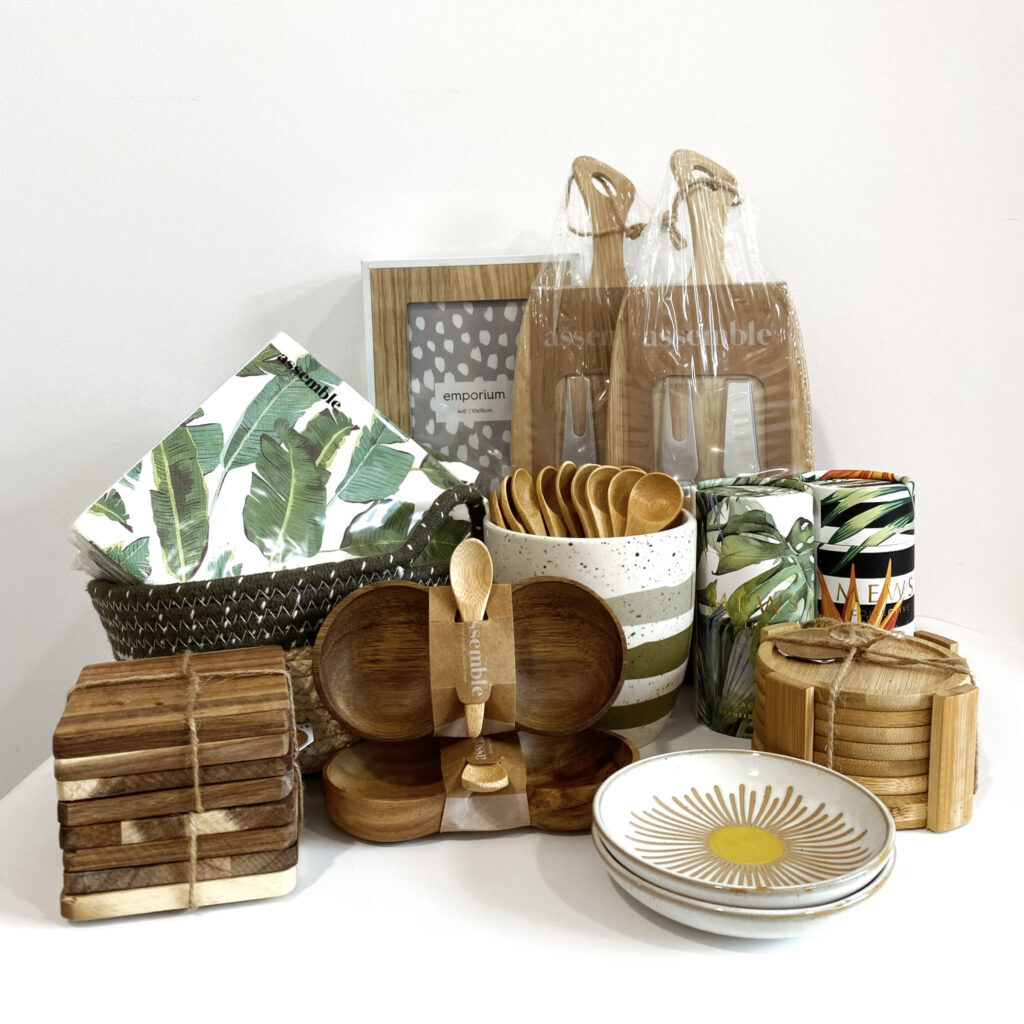 Homewares and giftware occupy a unique position in the wholesale landscape because they serve two purchasing motivations simultaneously. When someone buys a scented candle, a ceramic planter or a set of timber coasters, they might be buying it for their own home or they might be buying it as a gift. This dual intent means retailers can position products for both everyday home purchasing and seasonal gift occasions, doubling the addressable market for every SKU they stock.
Several trends are driving growth in the Australian homewares and giftware wholesale market. The ongoing interest in home renovation and interior styling (fuelled by social media platforms like Instagram and Pinterest) keeps demand strong for decorative homewares, wall art and statement pieces. The shift toward "buying local" and supporting Australian-made products has created a premium tier where handcrafted, artisan-made homewares command significantly higher retail prices. And the growing consumer preference for experiential, personalised and meaningful gifts over mass-produced alternatives is reshaping the giftware market in favour of curated, story-driven product ranges.
Margins in this category are also attractive. Unlike electronics or branded fashion where pricing is tightly controlled, homewares and giftware pricing is largely determined by perceived value, design quality and presentation. A timber serving board that costs $8 wholesale can retail for $35 to $45 if the timber is attractive, the finish is quality and the packaging tells a story. That kind of markup is difficult to achieve in most other wholesale categories.
Types of Wholesale Homewares and Giftware Suppliers
The homewares and giftware wholesale market in Australia includes several distinct supplier types. Each serves different retail models and product positioning strategies.
| Supplier Type | Best For | Typical MOQ | Margins |
|---|---|---|---|
| Importer/wholesaler (large range) | Gift shops, homewares stores, online retailers, newsagents | $150-$500 first order | 2.2-4x markup |
| Artisan/handmade wholesaler | Boutique stores, design-led retailers, market stall operators | $100-$300 or no minimum | 2.5-5x markup |
| Australian manufacturer | Premium retail, eco-conscious stores, export-focused sellers | Varies (often low for handmade) | 2.5-4x markup |
| Branded homewares distributor | Department stores, kitchen specialty retailers, premium gifting | $300-$1,000 first order | 1.8-2.5x markup |
| Novelty and seasonal supplier | Tourist shops, market sellers, pop-up stores, discount retailers | $100-$300 per order | 3-5x markup |
| Hospitality and commercial supplier | Restaurants, cafes, hotels, event stylists, home stagers | $200-$500 first order | 2-3x markup |
Pro tip: Artisan and handmade wholesalers often offer territorial exclusivity, meaning they will only supply one retailer per suburb or postcode. This protects your margins by preventing direct price competition with nearby stores stocking identical products. Always ask about exclusivity arrangements when evaluating a new giftware supplier.
Popular Wholesale Homewares and Giftware Subcategories
Kitchen and Tableware
Kitchenware is the workhorse of the homewares category. Cutting boards, serving platters, utensil sets, ceramic dinnerware, glassware, storage containers and small appliance accessories generate consistent demand because they are both functional and frequently replaced. Premium kitchen products, particularly those made from acacia wood, marble, stoneware or recycled materials, also perform strongly as gifts. Wholesale pricing for kitchenware typically allows 2.5 to 4x markup at retail, with higher margins on design-led or Australian-made pieces. Browse wholesale kitchenware suppliers on the directory.
Home Decor and Decorative Accessories
This is the broadest and most trend-sensitive homewares subcategory, covering wall art, mirrors, clocks, vases, decorative bowls, photo frames, sculptures, artificial plants and pot planters. Home decor products are heavily influenced by interior design trends, with styles cycling between Hamptons coastal, Scandinavian minimalism, bohemian, industrial, country farmhouse and modern contemporary. Successful retailers in this space refresh their range frequently, introducing new lines each season to give customers a reason to return.
The best wholesale home decor suppliers attend the major trade fairs and release new collections quarterly or biannually, making it easy to stay on trend without the risk of holding large volumes of any single style. Browse general homewares suppliers on the directory.
Candles, Diffusers and Aromatherapy
Candles and diffusers sit at the intersection of homewares, giftware and wellness. They are one of the highest-margin product lines in the entire category, with soy candles that cost $4 to $8 wholesale routinely retailing for $25 to $45 based on packaging, fragrance quality and brand positioning. The consumable nature of candles also drives strong repeat purchasing, especially from customers who find a fragrance they love.
Australia has a thriving domestic candle manufacturing industry, with many small-batch producers offering wholesale accounts to retailers. Locally made soy candles, essential oil diffusers and room sprays carry the "Australian Made" positioning that consumers are increasingly willing to pay a premium for. For retailers who want to go further, private-label candle manufacturing services are widely available, allowing you to sell candles under your own brand with custom fragrances, vessels and packaging.
Giftware and Novelty Products
The giftware segment covers products bought primarily as presents rather than for personal use: gift boxed sets, novelty items, humorous mugs, desk accessories, travel accessories, greeting cards, men's gifts, baby gifts, personalised souvenirs and seasonal lines. Giftware is inherently seasonal, with Christmas, Mother's Day, Father's Day, Valentine's Day and graduation season each creating distinct demand peaks.
Large Australian giftware wholesalers like Gibson Gifts, Malmar Enterprises and Albi Imports carry thousands of SKUs across dozens of gift categories, making it possible to build an entire store range from a single supplier. Smaller artisan wholesalers offer more curated, design-led gift ranges with higher margins and exclusivity. Browse wholesale giftware suppliers on the directory.
Glassware and Drinkware
Wine glasses, tumblers, cocktail glassware, decanters, water bottles and drinkware accessories serve both the retail and hospitality channels. The hospitality market (restaurants, bars, cafes, hotels) generates large-volume repeat orders, while retail consumers buy drinkware as gifts and for home entertaining. Decorative glassware, coloured glass vases and artisan blown glass sit in the premium tier with correspondingly higher margins. Browse wholesale glassware suppliers on the directory.
Linen and Soft Furnishings
Cushions, throws, table linen, tea towels, napkins, placemats, bedding and bath textiles are staple homewares products with strong seasonal rotation. Summer collections feature lightweight, bright-coloured linens, while winter brings heavier throws, textured cushions and warmer tones. Australian-designed and printed textiles carry premium positioning, and many domestic textile wholesalers offer exclusive print collections that differentiate your store from mass-market competitors. Browse wholesale linen and textile suppliers on the directory.
Furniture (Small and Decorative)
While large furniture is a separate wholesale category, smaller decorative furniture pieces like console tables, side tables, shelving units, bar carts, stools and display stands sit firmly in the homewares space. These items carry higher wholesale costs but also generate significant revenue per transaction. Several Australian homewares wholesalers carry curated furniture ranges alongside their decorative accessories, allowing retailers to offer a complete home styling solution. Browse wholesale furniture suppliers on the directory.
Garden and Outdoor
 Outdoor homewares include garden pots, planters, outdoor wall art, garden sculptures, bird baths, outdoor lighting, welcome mats and patio accessories. This subcategory has strong seasonal demand, peaking in spring and summer when Australians invest in their outdoor living spaces. Many homewares wholesalers include garden and outdoor products in their broader range, while specialist outdoor suppliers focus on commercial-grade and weather-resistant products for the landscaping and hospitality markets.
Wholesale Homewares and Giftware Pricing: What to Expect
| Subcategory | Typical Wholesale Range | Retail Markup |
|---|---|---|
| Kitchenware (serving boards, utensils, storage) | $5-$30 per piece | 2.5-4x |
| Home decor (vases, wall art, frames, planters) | $5-$60 per piece | 2.2-4x |
| Candles and diffusers | $4-$15 per unit | 3-5x |
| Giftware (boxed gifts, novelties, souvenirs) | $3-$25 per piece | 2.5-5x |
| Glassware and drinkware | $3-$20 per piece | 2-3.5x |
| Linen and soft furnishings | $8-$40 per piece | 2.2-3.5x |
| Small/decorative furniture | $30-$200 per piece | 2-3x |
| Christmas and seasonal decorations | $2-$30 per piece | 3-5x |

Pro tip: The highest margins in homewares and giftware come from candles, seasonal decorations and artisan-made products. These categories allow premium pricing based on design, fragrance or story rather than material cost alone. Branded kitchenware and homewares from well-known names offer tighter margins but benefit from consumer recognition and require less effort to sell.
Where to Find Wholesale Homewares and Giftware Suppliers in Australia
Wholesale Directories
Australian Wholesalers Directory lists homewares and giftware suppliers across every state, searchable by product type and location. Browse supplier profiles, check product ranges and contact suppliers directly without middleman fees or commissions.
Australian Trade Shows
The Reed Gift Fairs (held biannually in Sydney and Melbourne) are the premier trade events for homewares and giftware sourcing in Australia. These are large-scale events attended by hundreds of exhibitors, from major import wholesalers to small artisan producers, making them the most efficient way to discover new suppliers and compare product ranges in a single visit. The Home and Giving Fair at Sydney's ICC is another key event. Life Instyle (Melbourne and Sydney) focuses on the design-led end of the market, showcasing emerging Australian designers, handmade products and premium lifestyle brands.
Trade shows are particularly valuable for homewares and giftware because so much of the purchasing decision depends on tactile quality: the weight of a ceramic mug, the grain pattern on a timber board, the throw of a candle's fragrance. These are things you simply cannot assess from a product image on a website.
Key Wholesale Hubs
Melbourne and Sydney are the primary wholesale hubs for homewares and giftware. Melbourne's south-east (Braeside, Moorabbin, Bentleigh East, Derrimut) has a high concentration of homewares importers and wholesalers, many with showrooms open to trade buyers during business hours. Sydney's inner suburbs and western corridors host established distributors and import warehouses. Queensland's Gold Coast (Yatala, Nerang) is an emerging hub, particularly for lifestyle and coastal-themed giftware. Browse wholesale suppliers in Melbourne or Sydney.
Direct Import
China, India, Indonesia, Vietnam and the Philippines are the major manufacturing origins for imported homewares and giftware. Some Australian retailers import directly from factories via platforms like Alibaba, or through sourcing agents at trade fairs like the Canton Fair and Ambiente. Direct importing offers the lowest per-unit costs but requires larger minimum orders (typically 200 to 1,000 pieces per design), longer lead times (8 to 16 weeks for production and shipping), and the responsibility for quality control, customs clearance and compliance with Australian product safety standards. For most small to medium retailers, buying through an established Australian wholesaler offers better value when you factor in the reduced risk, smaller minimum orders and faster delivery.
Seasonal Buying Strategies
Homewares and giftware demand follows a strong seasonal rhythm. Planning your purchasing around these peaks is essential for maximising revenue and minimising dead stock.
Christmas (September to December). This is the single biggest sales period for both homewares and giftware. Christmas decorations, candles, gift sets, entertaining accessories and summer outdoor products all peak during this window. Most wholesalers release their Christmas ranges in June and July, with early-bird ordering incentives. Order Christmas stock by August to September for full range availability.
Mother's Day (May). The second-largest gifting occasion. Candles, diffusers, bath products, photo frames, jewellery boxes and pamper sets perform exceptionally well. Order 8 to 10 weeks ahead.
Father's Day (September). Men's gifts, barware, BBQ accessories, desk accessories and novelty items see a strong spike. This falls just as Christmas ordering begins, so plan both simultaneously.
Spring and summer (September to February). Garden and outdoor products, entertaining accessories, bright-coloured homewares and summer linen all see increased demand as Australians shift their focus to outdoor living.
Winter (June to August). Throws, cushions, candles, warm-toned decor and cocooning products perform well during the cooler months. This is also when many consumers refresh their interior styling.
Post-Christmas clearance. January is the best time to negotiate clearance pricing from suppliers moving excess seasonal stock. Christmas decorations purchased at deep post-season discounts and stored for the following year can deliver exceptional margins. Consider listing your own excess stock on our sell excess stock page to recover capital quickly.

Quality Assessment: What to Look For
Unlike beauty or toys, homewares and giftware products are not heavily regulated in Australia (except where they come into contact with food, which triggers food-safe material requirements). This means the quality assessment falls largely on you as the retailer. When evaluating a new wholesale supplier, pay attention to the following.
Finish and consistency. Check that items within the same batch are consistent in size, colour and finish. Handmade items will have natural variation (which can be a selling point), but mass-produced items should be uniform.
Packaging quality. In giftware especially, the packaging is part of the product. Gift boxes, tissue paper, branded tags and presentation all influence the perceived retail value. Poor packaging on a quality product is a missed margin opportunity.
Food safety compliance. Any product that comes into contact with food (cutting boards, serving platters, bowls, cups, utensils, storage containers) must comply with the Food Standards Australia New Zealand (FSANZ) requirements for food-contact materials. This includes limits on chemical migration from ceramics, glazes and coatings. Always request compliance documentation for food-contact products.
Breakage and freight resilience. Ceramics, glassware and fragile decorative items are prone to breakage in transit. Check your supplier's packing methods and breakage policies before placing a large order. Reputable wholesalers pack fragile items to withstand standard freight handling and offer replacement or credit for transit-damaged goods.
For a broader overview of supplier verification and due diligence, see our guide to finding wholesale suppliers in Australia.
Selling Wholesale Homewares and Giftware: Channel Strategies
Brick-and-mortar retail. Physical stores remain the strongest channel for homewares and giftware because so much of the purchasing decision is sensory. Customers want to pick up the mug, feel the weight of the timber board and smell the candle before they buy. Gift shops, homewares boutiques, general stores, newsagents, garden centres, tourist shops and pharmacies all successfully retail homewares and giftware products.
Online stores. E-commerce is growing rapidly for homewares, particularly for products that photograph well and have strong brand stories. Candles, linen, designer kitchenware and curated gift boxes are particularly well suited to online retail. Strong lifestyle photography, detailed product descriptions and storytelling about makers and materials are essential for converting online browsers into buyers.
Markets, pop-ups and craft fairs. Candles, handmade homewares, soaps, artisan ceramics and novelty gifts sell exceptionally well at markets. The face-to-face interaction allows you to share the product story directly, which is a powerful sales tool for artisan and Australian-made products.
Interior design and home staging. Working with interior designers, property stylists and home stagers creates a B2B channel that most homewares retailers overlook. These professionals purchase in volume, value quick turnaround and are less price-sensitive because they pass costs through to their clients.
Corporate and hospitality supply. Hotels, cafes, restaurants, co-working spaces and corporate offices purchase homewares for their spaces and as branded gifts. This is a steady B2B channel with larger order values and regular reordering cycles.
Complementary Categories
Retailers who stock homewares and giftware often find natural cross-sell opportunities in related categories. Beauty products pair naturally with giftware, especially candles, bath products and pamper gift sets. Party supplies complement the entertaining and seasonal gifting segments. Craft materials overlap with the DIY and maker market that drives demand for artisan homewares. Toys and games work alongside kids' giftware for stores serving the family and gift market.
Browse the full category list to explore what other product lines could complement your homewares range. For a curated overview of top suppliers across all categories, see our premium wholesale suppliers guide.
Frequently Asked Questions
Do I need an ABN to buy wholesale homewares and giftware?
What is the minimum order for wholesale homewares?
How do I find trending homewares products to stock?
Can I sell wholesale homewares online without a physical store?
What are the most profitable wholesale homewares categories?
Where can I find a directory of wholesale homewares and giftware suppliers in Australia?
The Australian Wholesalers Directory has connected wholesale suppliers with retailers and resellers since 2001. This guide is maintained and updated regularly to reflect current market conditions and supplier availability. Browse wholesale homewares and giftware suppliers to get started.
📌 Related reading: Dropshipping Giftware and Homeware Goods in Australia · Christmas 2026 Stock Planning: A Wholesale Buying Guide for Australian Retailers · Wholesale Packaging Suppliers Australia: 2026 Guide to Sourcing, Sustainability and Compliance · Product Safety Laws in Australia 2026: A Compliance Guide for Wholesalers, Importers and Retailers.Continue exploring: How to Find Wholesale Suppliers in Australia: The Complete Guide for 2026 · How to Negotiate with a Wholesaler Effectively.